The Alewife, Unfiltered

A 13th Century Law Gave Us the Baker's Dozen

A Baker Is Being Dragged Through the Street. There's a Loaf Tied Round His Neck.

He's not carrying it.

It's tied there. On purpose. For everyone to see.
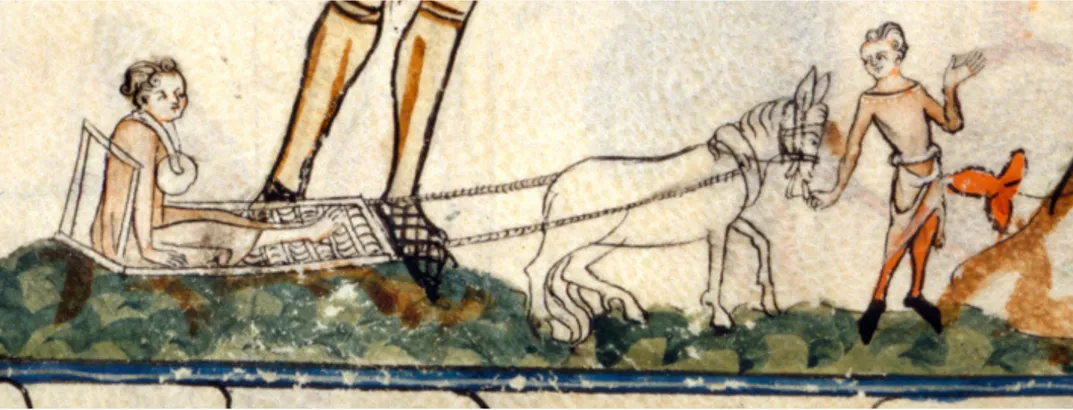
A medieval baker being dragged on a hurdle with a loaf around his neck, from the Smithfield Decretals
A baker being dragged on a hurdle, with a loaf around his neck. Detail from the Smithfield Decretals, Royal MS 10 E IV, fol. 94, c. 1340. British Library.

This is a baker, on a hurdle, being dragged through the streets โ€” with the loaf that got him in trouble hanging round his neck the whole way.

That loaf was underweight.

And in medieval England, that was a serious problem.

Bread wasn't just food. It was the food. So there were laws โ€” the Assize of Bread and Ale โ€” fixing exactly how much a loaf should weigh and what it should cost. Bakers who cheated on the weight risked fines.

Or the pillory.

Or, evidently, this. Dragged through town on a hurdle, defective loaf on display, so every single person he'd ever sold bread to knew exactly what he'd done.

It wasn't subtle. It wasn't meant to be.

So where did the baker's dozen come from?

There was a practical problem with selling bread by weight.

If a baker was required to supply a particular weight of bread, being even slightly under could mean trouble.

So an extra loaf could provide a margin against coming up short.

That thirteenth loaf became known as the vantage loaf.

And that's the story behind the baker's dozen.

Thirteen, not twelve.

Not because anyone was feeling generous.

Because being a little short on the scales could have consequences.

And nobody wanted to end up like the man in this picture.

Sources

#medieval-life